 ETOS Global

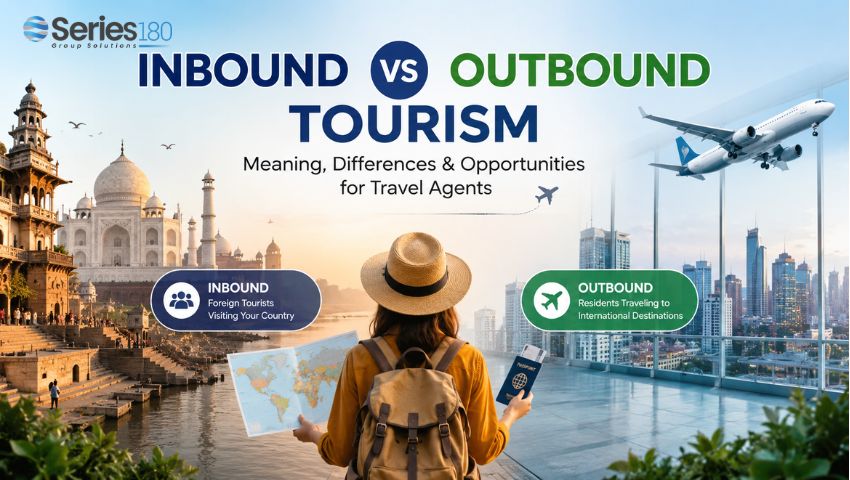
Quick Answer: The tourism industry is divided into two main sections: inbound tourism and outbound tourism. Inbound tourism means a country receiving foreign tourists, and outbound tourism means residents travelling from their home (own) country to international destinations. Understanding the difference between inbound and outbound tourism will help travel agents find market opportunities, create a better travel products, and increase revenues in the growing international tourism market.
The tourism industry continues to grow as people are travelling for leisure, business, education and cultural experiences, visiting places all over the world. Travel agents need to know the role of inbound and outbound tourism to build profitable travel services and to adapt to changing customer needs.
Whether you serve international visitors coming into your country or outbound tourists planning trips abroad, knowing the opportunities within both segments can help you stay competitive in the modern travel industry.
What is Inbound Tourism?
Inbound tourism meaning refers to international visitors entering a country for tourism, business, medical treatment, education, or other purposes.
For example, when foreign tourists visit India to explore its heritage sites, attend events, or enjoy cultural experiences, they contribute to inbound tourism.
Benefits of Inbound Tourism:
- Increases foreign exchange earnings
- Supports infrastructure development
- Creates jobs in hospitality and tourism management
- Boosts local businesses and economies
- Improves tourism numbers and destination visibility
Inbound tourism plays a major role in strengthening a country's economic impacts and attracting global attention.
What is Outbound Tourism?
Outbound tourism refers to residents traveling from their home country to international destinations.
For example, when Indian travelers visit Dubai, Singapore, or Europe for vacations or business trips, they become outbound tourists.
Benefits of Outbound Tourism
- Expands international travel opportunities
- Encourages cultural exchange
- Creates growth in outbound tourism markets
- Supports travel agencies offering global packages
- Enhances customer travel experiences
Growing disposable income and improved connectivity continue to drive outbound tourism across many countries.
Difference Between Inbound and Outbound Tourism
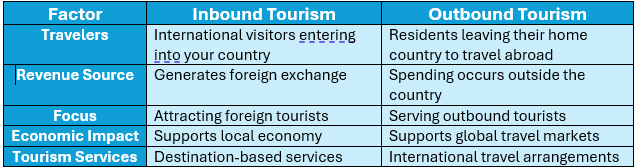
Understanding the difference between inbound and outbound tourism helps travel businesses develop targeted marketing and service strategies.
Opportunities for Travel Agents
Both inbound and outbound tourism offer significant business opportunities.
Travel agents can:
- Create customized travel packages
- Partner with hotels, transport providers, and local operators
- Serve niche markets such as leisure business travel
- Develop destination expertise
- Improve customer experiences through strategic tourism management
As international tourism becomes more competitive, travel agencies that understand customer behavior and market trends are better positioned for long-term growth.
How Series180 Helps Tourism Businesses Grow?
Success requires more than selling travel packages. Travel businesses need a strong brand, consistent digital visibility, effective marketing, and clear growth strategies to attract and retain customers.
Series180 offers practical growth solutions to tourism and hospitality businesses across inbound and outbound travel markets.
- Improve online presence and brand visibility
- Generate qualified leads for travel and tourism services
- Strengthen customer engagement across digital channels
- Build sustainable marketing and business growth strategies
- Help travel businesses attract more customers and achieve measurable results
With a structured approach to marketing and growth, Series180 helps travel companies become more competitive, visible and result-driven in today’s modern tourism environment.
Conclusion
In the global travel industry, both inbound and outbound tourism are important. Inbound tourism helps boost the local economy and foreign exchange earnings. Outbound tourism provides opportunities to expand business and travel abroad.
By knowing these tourism segments, travel agents can identify new revenue streams, improve customer satisfaction and achieve long-term business success.
Grow your travel business by Book a meeting with Series180 today and new opportunities for sustainable growth.
Frequently Asked Questions (FAQs)
1. Why is inbound tourism important for a country's economy?
Ans: Inbound tourism brings spending from international visitors into the country, helping local businesses, creating jobs, and increasing government revenue through tourism-related activities.
2. Which tourism segment is growing faster globally?
Ans: Growth varies by region, but outbound tourism is expanding rapidly due to higher disposable income, affordable flights, and easier access to international destinations.
3. Can a travel agency offer both inbound and outbound tourism services?
Ans: Yes. Many travel agencies successfully operate in both segments to diversify revenue sources and serve a wider customer base.
4. How does technology impact tourism growth?
Ans: Technology improves booking experiences, customer communication, destination marketing, and operational efficiency across the travel industry.
5. What skills are important for modern travel agents?
Ans: Destination knowledge, customer service, digital marketing, supplier management, and tourism management skills are essential for long-term success.






Leave a comment